Examining Integration Patterns Between Slot Mechanics and Tournament Formats in Mobile Casino Applications
Written by Parker Foster · Oct 19, 2026
Examining Integration Patterns Between Slot Mechanics and Tournament Formats in Mobile Casino Applications
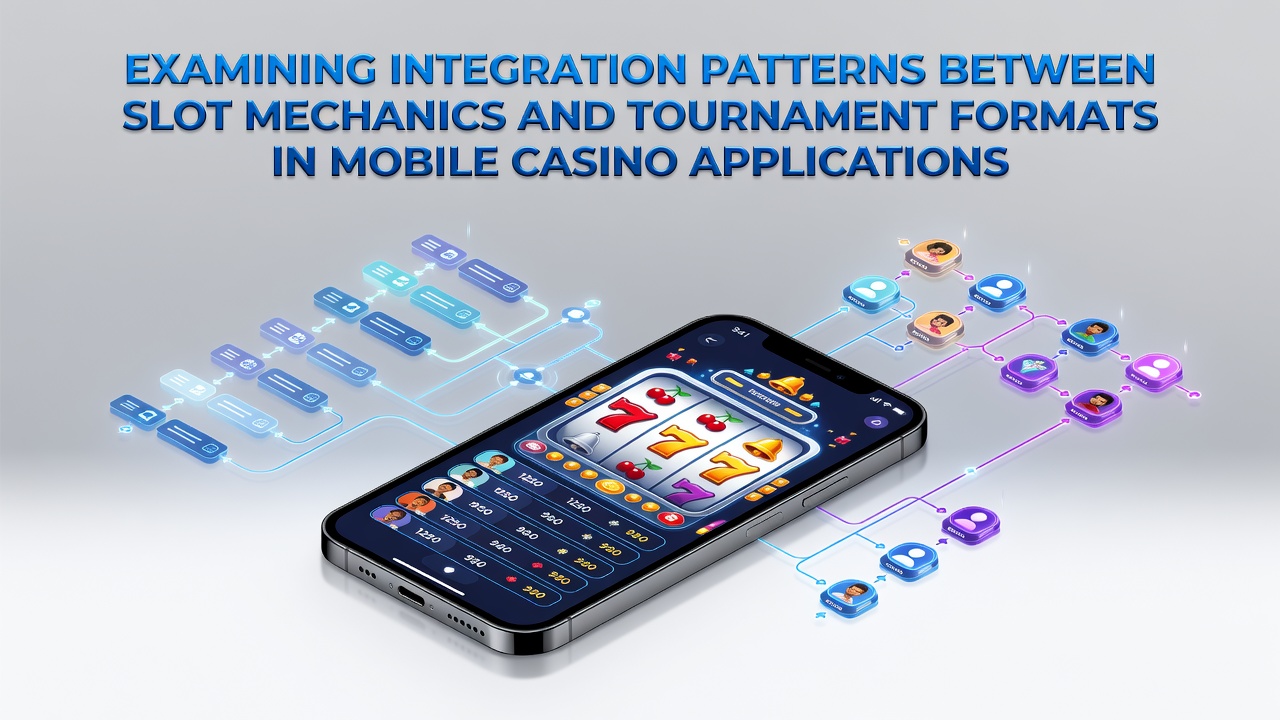
Mobile casino applications have incorporated slot mechanics into tournament formats through structured competition layers that convert standard reel spins and bonus features into ranked scoring systems, and developers track participation metrics across multiple regions as of October 2026.
Slot games typically feature random number generators, payline configurations, and progressive multipliers, while tournament formats add time-bound leaderboards, entry fees, and prize pools that scale according to player volume; integration occurs when these elements combine so that spin outcomes directly influence position on shared rankings.
Core Mechanics Driving Slot-Based Tournaments
Developers map reel outcomes such as symbol combinations and scatter triggers onto point values that accumulate during fixed-duration events, and this mapping allows standard slot sessions to feed into competitive standings without altering the underlying random generation process. Research from industry analytics groups shows that sessions lasting between fifteen and thirty minutes often serve as optimal windows for tournament rounds because they balance engagement with completion rates.
Bonus rounds receive weighted scoring adjustments in many implementations, where free spin sequences contribute higher multipliers to final tallies, and players advance through qualification brackets by meeting minimum point thresholds before entering higher-stakes phases. Data from platform operators indicates steady growth in simultaneous tournament instances hosted within single applications, particularly in markets where regulatory frameworks permit skill-adjacent elements alongside chance-based play.
Patterns of Structural Integration
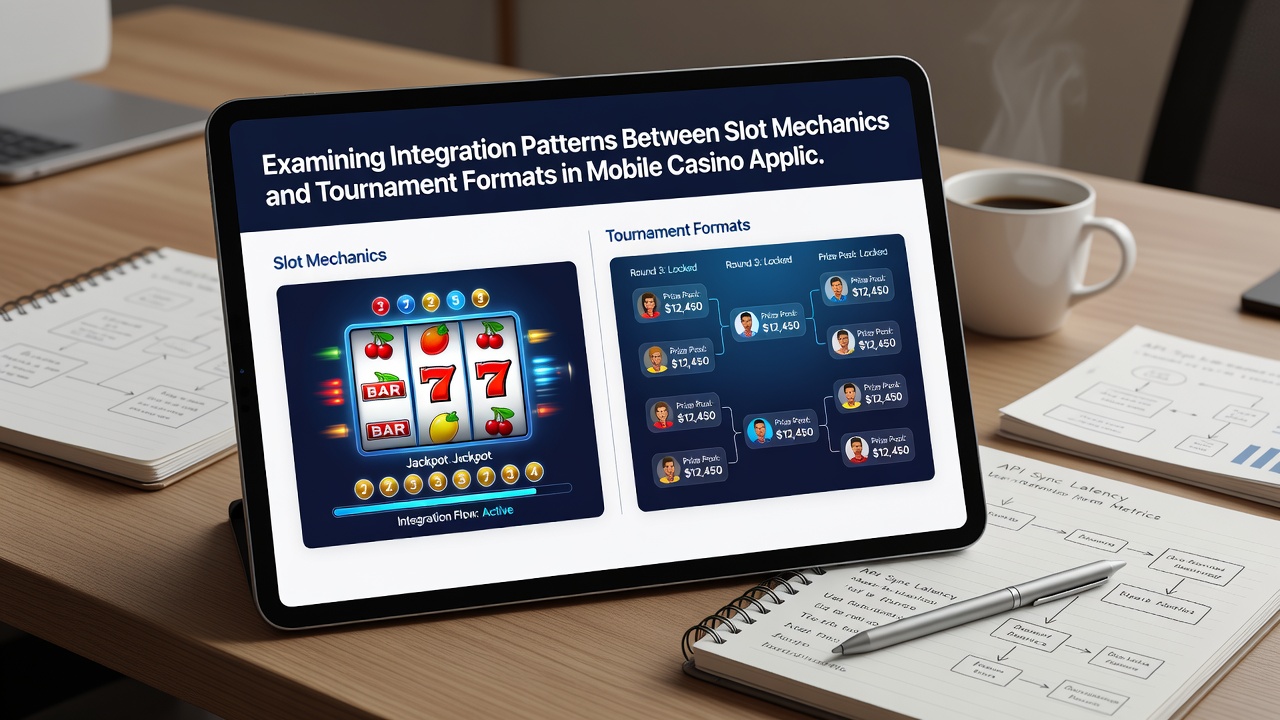
One common pattern involves overlay interfaces that display real-time leaderboard updates alongside active reels, so participants monitor relative positions while continuing to spin, and this dual-screen approach appears in applications targeting both casual and frequent users. Another pattern routes tournament entries through dedicated lobbies that filter available slot titles by theme or volatility level, thereby guiding selection toward games that align with current event parameters.
Hybrid models further combine daily slot challenges with weekly elimination tournaments, where accumulated points from multiple short sessions determine advancement, and observers note that such layering increases retention metrics across user cohorts tracked in October 2026 reports. Technical implementations rely on server-side synchronization to ensure consistent scoring regardless of device platform, while client-side rendering maintains smooth animation during rapid reel stops.
Regional Regulatory Context and Compliance Features
Regulatory bodies across different jurisdictions have influenced feature design, with the Pennsylvania Gaming Control Board requiring transparent display of odds and prize distribution in tournament modes, and similar provisions appear in guidelines from the Australian Communications and Media Authority. These requirements translate into in-app disclosures that list payout percentages and entry fee allocations before players join events.
Compliance modules often embed age verification and responsible gaming limits directly into tournament flows, preventing automatic re-entry once daily thresholds are reached, and platform operators report that such safeguards align with broader digital entertainment standards observed through 2026. Integration testing between slot engines and tournament servers occurs regularly to maintain audit trails that satisfy inspection protocols in licensed markets.
Technical and User Experience Considerations
Backend architectures employ event-driven queues that process spin results into tournament scores within milliseconds, reducing latency that could otherwise affect perceived fairness during competitive play. Front-end designs incorporate gesture controls optimized for portrait orientation, allowing one-handed operation during extended sessions that characterize many tournament formats.
Analytics platforms record heat maps of player interaction with integrated elements such as multiplier meters and position indicators, and these datasets guide iterative adjustments to visual hierarchy without changing core probability models. Cross-platform consistency remains a priority because users frequently switch between smartphone and tablet devices mid-tournament.
Conclusion
Integration patterns continue to evolve as mobile casino applications refine the linkage between slot mechanics and tournament formats through standardized scoring systems, synchronized interfaces, and regulatory-compliant features. Platform data collected through October 2026 illustrates sustained adoption across multiple regions, supported by technical frameworks that preserve random outcomes while enabling structured competition. Observers tracking these developments point to ongoing refinements in leaderboard synchronization and compliance tooling as primary areas of continued activity.