Shifts in Reward Layering Across Hybrid Digital Entertainment Portfolios
Written by Hugo Hansen · Sep 21, 2026
Shifts in Reward Layering Across Hybrid Digital Entertainment Portfolios
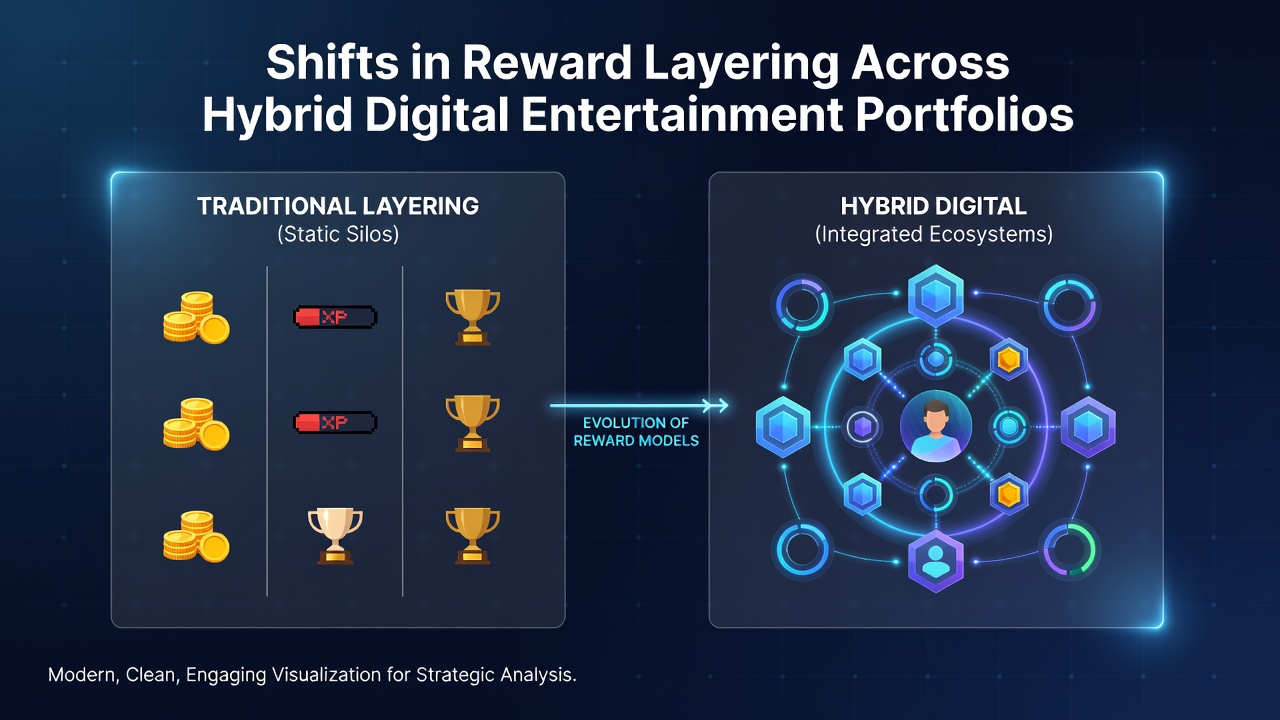
Hybrid digital entertainment portfolios combine online gaming, streaming services, virtual events and interactive platforms into single ecosystems where users move between different types of content, and operators have adjusted reward layering to keep engagement consistent across those transitions. Reward layering refers to the stacked systems of points, tiers, bonuses and redemption options that platforms build on top of one another, and data from multiple markets shows these structures have grown more interconnected since the early 2020s.
Operators track user behavior across several product lines at once, which allows them to apply rewards earned in one area to benefits in another, and this cross-pollination has become a standard feature rather than an exception. Reports compiled through 2026 indicate that portfolios integrating at least three distinct digital formats saw measurable increases in session length when layered incentives aligned across those formats.
Changes in Structure and Delivery
Early reward programs relied on single-axis point accumulation that users spent on one category of prizes, yet current systems distribute value across multiple layers that include immediate micro-rewards, medium-term tier unlocks and long-term status benefits. One platform that merged a live-streaming service with a casino-style game library introduced daily login bonuses that also contributed to a separate progression bar for exclusive tournament access, and similar patterns appear in other portfolios operating across North America and Europe.
September 2026 brought fresh figures from the Canadian Gaming Association showing that hybrid operators increased the number of reward layers by an average of 28 percent compared with the previous year, while redemption rates across those layers rose in parallel. The same dataset highlighted that users who engaged with two or more product types within the same portfolio redeemed rewards 1.7 times more frequently than single-product users.
Technology Enabling the Shifts
Real-time data pipelines and machine-learning models now adjust reward visibility and value based on individual session patterns, and this personalization sits at the core of newer layering strategies. Instead of presenting every user with the same menu of options, platforms surface different combinations depending on prior behavior, time spent in each segment and predicted next action. Research published by the University of Nevada Reno Gaming Innovation Lab documented how these adjustments reduced reward friction while maintaining overall payout percentages within regulatory bands.
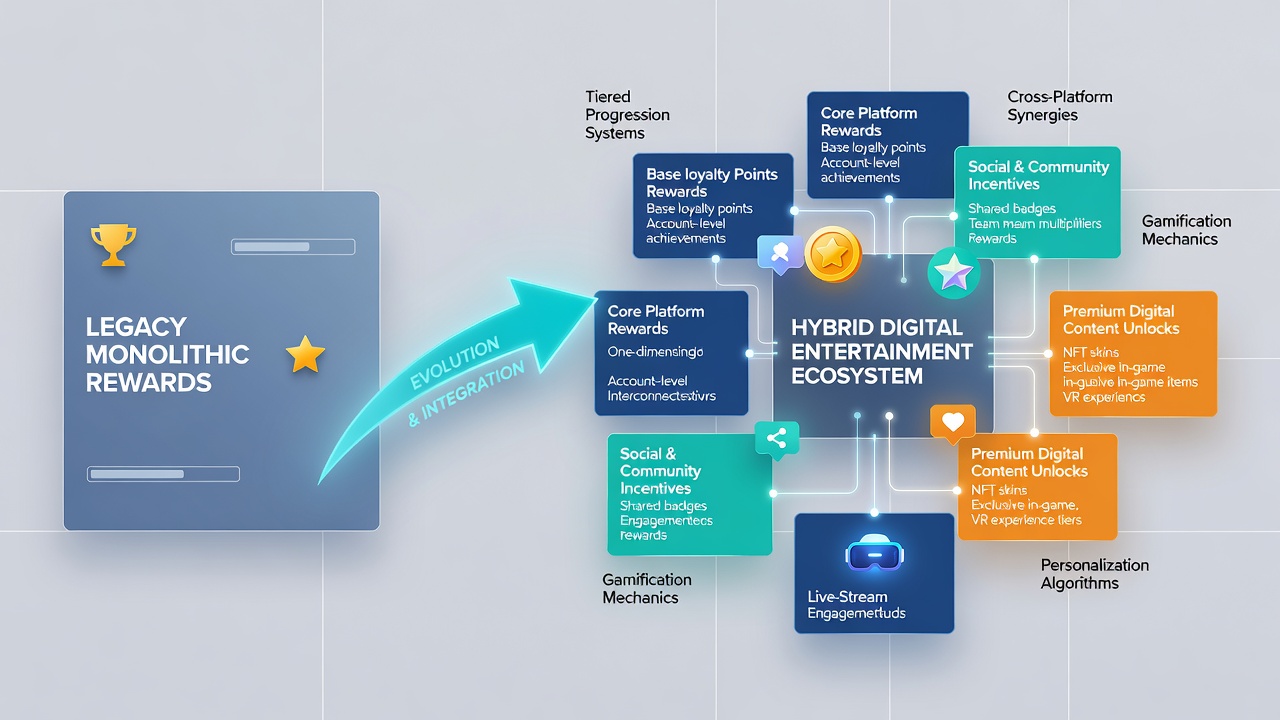
Blockchain-based ledgers have also entered the picture for certain operators, allowing reward balances to transfer between affiliated platforms without manual reconciliation, and this capability supports portfolios that span jurisdictions with differing compliance requirements. The European Gaming and Betting Association published guidance in mid-2026 that outlined minimum standards for such transfers to ensure traceability, and several large operators incorporated those standards into their updated layering protocols.
Regulatory and Market Influences
Regulators in multiple regions have required clearer disclosure of how rewards convert across product types, which has prompted operators to simplify the language around layered benefits even as the underlying mechanics grew more complex. In Australia the Interactive Gambling Act amendments effective in 2025 forced several hybrid services to separate promotional messaging from actual reward mechanics, and compliance teams responded by building dedicated dashboards that display each layer independently.
Market competition has further accelerated layering changes, because users who maintain activity across multiple portfolios compare benefit density and ease of movement between layers. Observers note that portfolios offering seamless movement of status levels between a streaming service and an online table-games section retained higher percentages of high-value users than those keeping separate loyalty programs.
Examples from Current Operations
One North American operator integrated its sports-betting app with a cloud-gaming subscription and applied a unified tier system that granted faster withdrawal processing after users reached combined activity thresholds, and internal metrics released in quarterly updates showed reduced churn among users who crossed those thresholds. A separate European portfolio combined virtual-reality concert access with casino-style slots, allowing concert ticket purchases to count toward slot-bonus multipliers, and the arrangement produced steady month-over-month growth in cross-category engagement through the first three quarters of 2026.
Conclusion
The documented shifts in reward layering reflect coordinated responses to user movement patterns, regulatory requirements and competitive pressures within hybrid digital entertainment portfolios. Data released through September 2026 and earlier periods demonstrate that operators continue to refine how layers interact while maintaining compliance across jurisdictions, and those refinements have produced measurable differences in user retention when measured across multiple product categories. Continued monitoring by industry associations and academic researchers will track whether these patterns stabilize or undergo further structural change in subsequent reporting periods.