Tracing Intersections Between Promotional Layers and Tactical Adjustments in Digital Wheel and Table Simulations Across Platforms
Written by David Meier · Nov 2, 2026
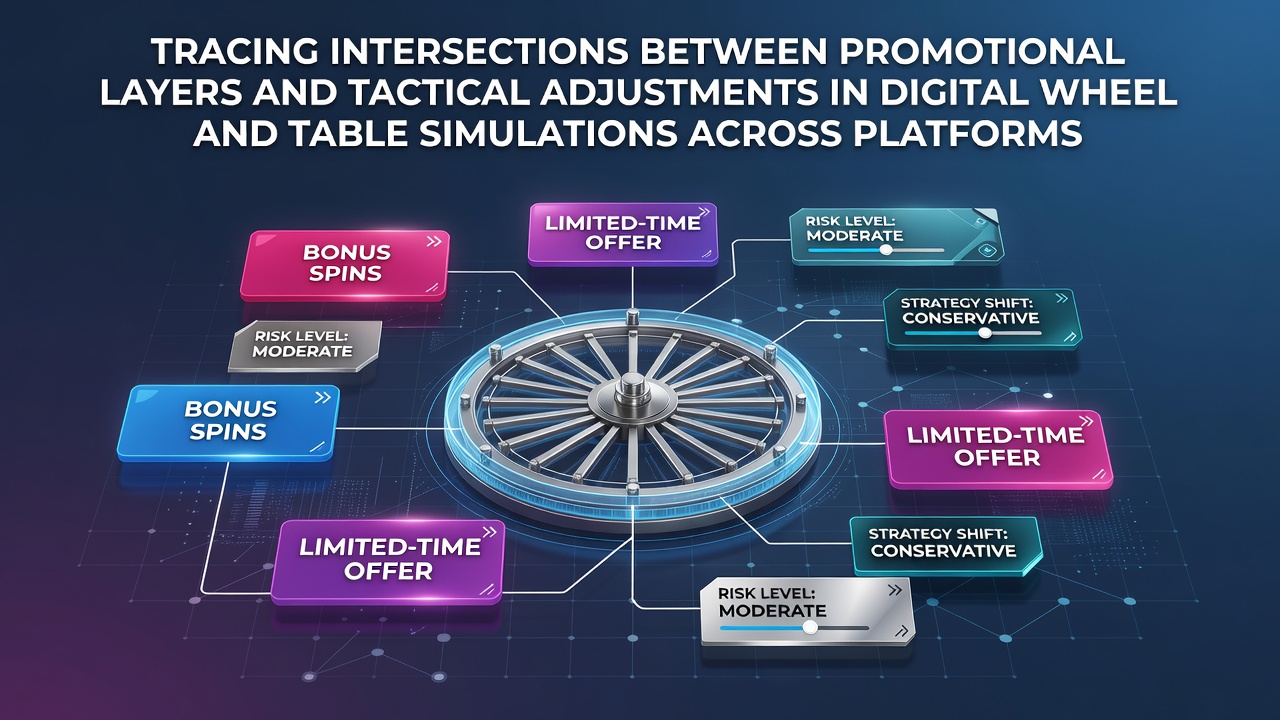
Tracing Intersections Between Promotional Layers and Tactical Adjustments in Digital Wheel and Table Simulations Across Platforms
Digital wheel and table simulations on modern platforms incorporate promotional layers such as bonus credits, multiplier events, and loyalty point accelerations that directly influence how participants adjust their betting sequences and risk thresholds. These layers appear across mobile applications, browser-based desktops, and integrated casino systems where roulette wheels, blackjack tables, and baccarat layouts run on shared engines yet respond differently to the same promotional triggers.
Promotional Structures in Wheel Simulations
Wheel-based titles like digital roulette variants often bundle free spin allocations or cashback percentages tied to specific bet types, and operators apply these during defined windows that shift player focus toward even-money wagers or column bets depending on the active multiplier. Data from platform analytics indicate that when a deposit match promotion activates, average wager sizes on red-black outcomes rise by measurable margins while column coverage decreases, because the bonus structure rewards volume over spread. Observers note that these adjustments occur consistently across Android and iOS builds, although iOS versions sometimes display the promotional timer more prominently due to notification handling differences.
Table Game Adjustments Under Layered Offers
Table simulations introduce additional variables when promotional overlays such as insurance boosts or side-bet rebates activate. Blackjack applications frequently adjust minimum bet thresholds during happy-hour style events, prompting participants to widen their doubling ranges or alter split frequencies to align with the rebate conditions. Research indicates that players on desktop interfaces tend to maintain longer session durations under these offers compared with mobile users, who switch between multiple table instances more rapidly when the promotional countdown nears expiration. The intersection becomes visible in session logs where split decisions correlate with the presence of a temporary 20 percent insurance return.
Cross-Platform Behavioral Patterns
Platform differences shape how promotional layers translate into tactical changes. Desktop environments provide larger screen real estate for tracking multiple simultaneous tables, allowing users to distribute promotional credits across several wheel simulations at once, whereas mobile sessions often concentrate activity on single tables because of interface constraints. Figures from industry monitoring services reveal that conversion rates from standard play to promotional play increase when users receive in-app reminders about remaining bonus time, and this effect appears stronger on tablets than on smartphones. Those who study user flow across devices report that Android users adjust their roulette bet sizing more aggressively during cashback periods, while iOS cohorts show steadier adherence to preset bankroll rules even when multipliers apply.
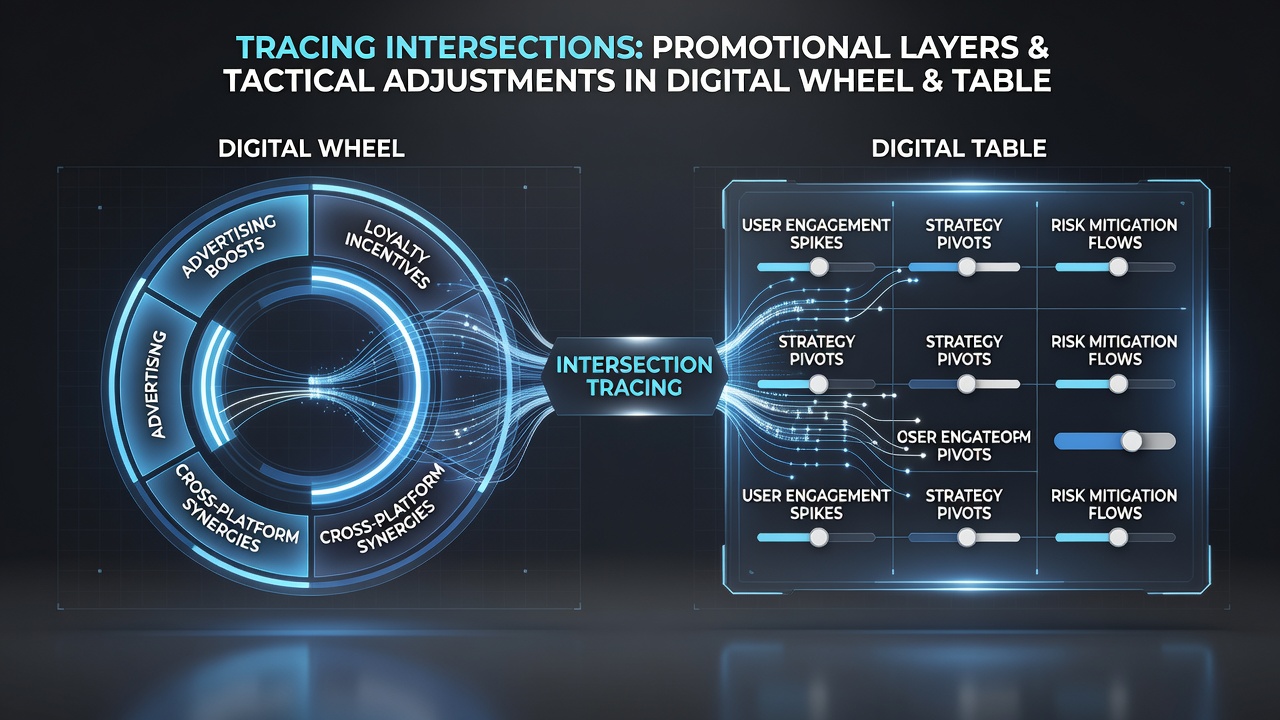
November 2026 brought incremental updates to several major simulation engines that refined how promotional timers interact with auto-play features, particularly on European-facing platforms where regulatory reporting now requires clearer disclosure of bonus wagering contributions. These updates produced measurable shifts in how participants time their entry into table simulations, with many deferring high-stakes hands until the promotional layer fully activates.
Integration of Loyalty Mechanics
Loyalty point accelerators layered onto both wheel and table products create another intersection point. When point multipliers coincide with weekend tournament entries, participants frequently reallocate their bankroll toward lower-variance bets on wheels to preserve chips for the later table phase. Platform telemetry shows that this reallocation pattern repeats across different jurisdictions, although the exact percentage shift varies with the underlying game ruleset. External reporting from the Australian Gambling Research Centre documents similar patterns in digital environments where loyalty overlays prompt earlier exits from wheel simulations once the accelerated earning window closes.
Regulatory and Technical Influences
Technical constraints also affect these intersections. Some platforms limit the number of active promotional layers that can apply simultaneously to a single table simulation, forcing users to prioritize which bonus to chase and thereby altering their hand-selection strategy in blackjack or baccarat. Government oversight bodies such as the iGaming Ontario require transparent display of these stacking rules, which in turn influences how developers sequence the promotional notifications players encounter. As a result, tactical adjustments become more deliberate because participants can preview the combined effect of multiple layers before committing funds.
Conclusion
The intersections between promotional layers and tactical adjustments continue to evolve as simulation engines incorporate finer controls over bonus timing and cross-device synchronization. Platform operators track these patterns through aggregated session data, and regulatory frameworks in multiple regions now mandate clearer labeling of how each layer contributes to wagering requirements. These developments produce consistent, observable shifts in betting behavior across wheel and table products regardless of whether users access the simulations through mobile applications or desktop browsers.